
Dry Lips in Women: A Science-Based Guide | Be Bodywise
Dry lips are common in women due to weather, dehydration, sun exposure, and cosmetic habits. This guide explains why lips dry out, which actions worsen peeling, what ingredients repair the lip barrier, and how to choose effective lip balms with hydration and SPF.
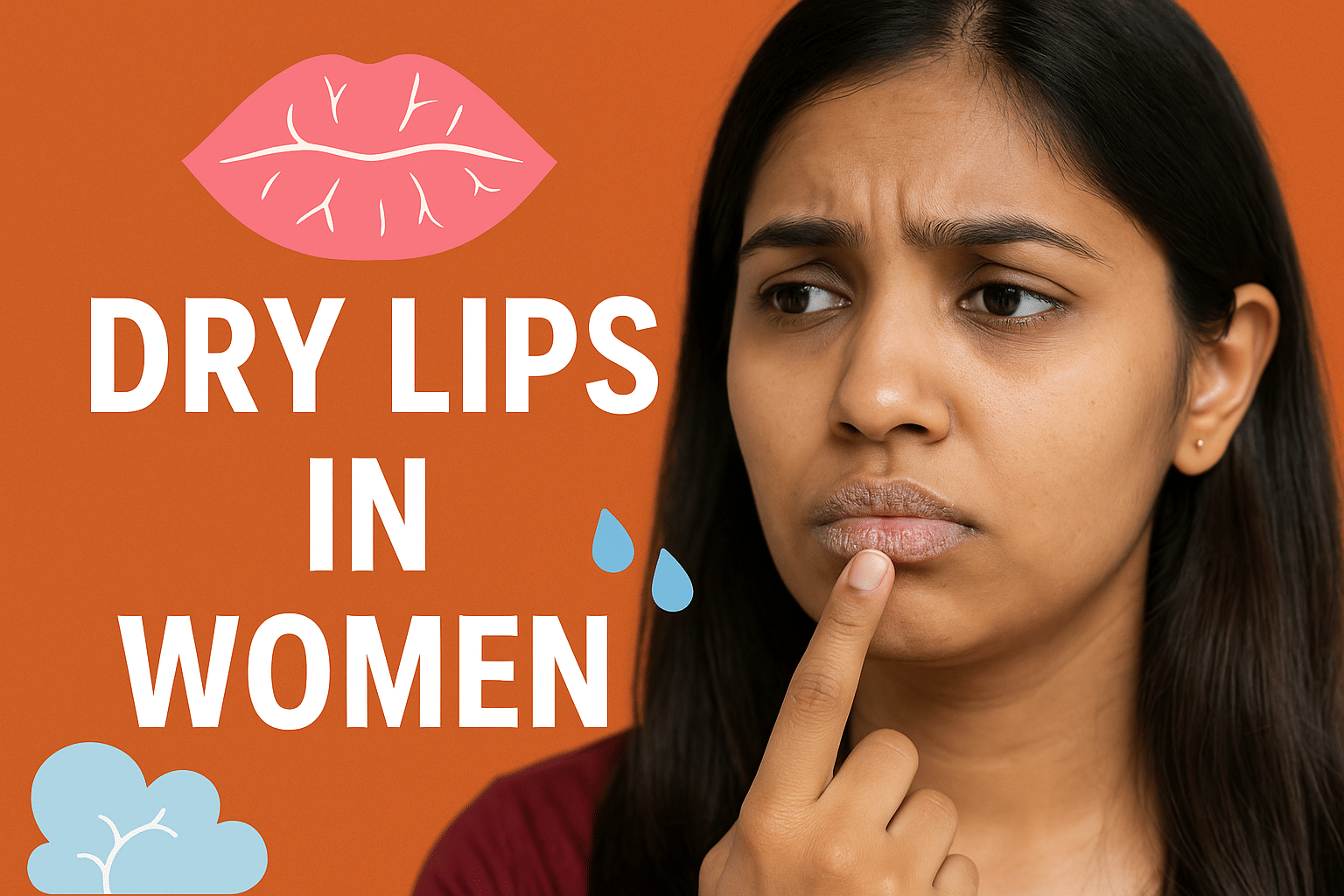
Overview
Dry, chapped lips are one of the most common concerns among Indian women-caused by weather, habits, irritants, and inadequate lip care. This guide explains why lips dry out, which everyday actions worsen dryness, which ingredients matter in lip balms, and how to choose products that effectively repair and protect lips.
Why Do Lips Become Dry?
- Lips do not contain oil glands, so they cannot produce natural oils.
- The lip barrier is thinner and loses moisture quickly.
- Environmental stress-heat, cold, wind, and UV rays-affects lips faster.
What triggers dry or peeling lips in women?
- Dehydration reduces internal moisture levels.
- Low humidity in winter or AC environments causes moisture loss.
- Sun exposure darkens and dehydrates lip skin.
- Irritants in lipsticks, matte liquid formulas, or fragrances cause further peeling.

Dry Lip Treatment Balm | Be Bodywise
Nourish and renew with our Lip Treatment Balm, a rich formula brimming with hydrating oils and butters.
Infused with skin-loving actives like 8% Shea Butter, Squalane, Murumuru Butter, Hyaluronic Acid, and Niacinamide, this dewy balm delivers glazed perfection, ultimate hydration, and pigmentation repair.
Common Everyday Actions That Cause Dry Lips
- Lip licking: Saliva evaporates quickly and leaves lips even drier.
- Biting or picking: Damages the protective barrier.
- Using harsh scrubs: Leads to micro-tears and increased peeling.
- Not using SPF on lips: UV exposure triggers pigmentation and dryness.
- Overusing matte lipsticks: These absorb natural moisture from lip skin.
Dry lips often occur because saliva, sun exposure, and irritation from cosmetics damage the natural moisture barrier of the lips.
What to Look for in a Lip Balm or Lip Repair Cream
Look for a combination of:
- Humectants (Hyaluronic Acid, Glycerin): Attract water into the lip skin.
- Occlusives (Petrolatum, Lanolin, Shea Butter): Seal moisture and protect the barrier.
- Emollients (Cocoa Butter, Almond Oil, Coconut Oil): Smooth, soften, and condition lips.
- Healing agents (Ceramides, Vitamin E): Repair cracks and reduce irritation.
- SPF (≥ 30): Essential for preventing sun-induced darkness, tanning, and dryness.
What should you avoid?
- Menthol, camphor, cinnamon, or strong fragrances.
- Over-exfoliating lip scrubs.
- Alcohol-heavy or matte-drying formulas.
Which Lip Care Products to Choose for Dry, Rough, or Chapped Lips?
If the concern is severe dryness, flaking, or peeling, choose lip care with:
- Occlusive agents to lock in moisture and protect the barrier.
- Deeply hydrating humectants that attract and retain water.
- Barrier-repair ingredients like ceramides and vitamin E.
- Non-fragrant, dermatologically safe formulations suitable for daily use.
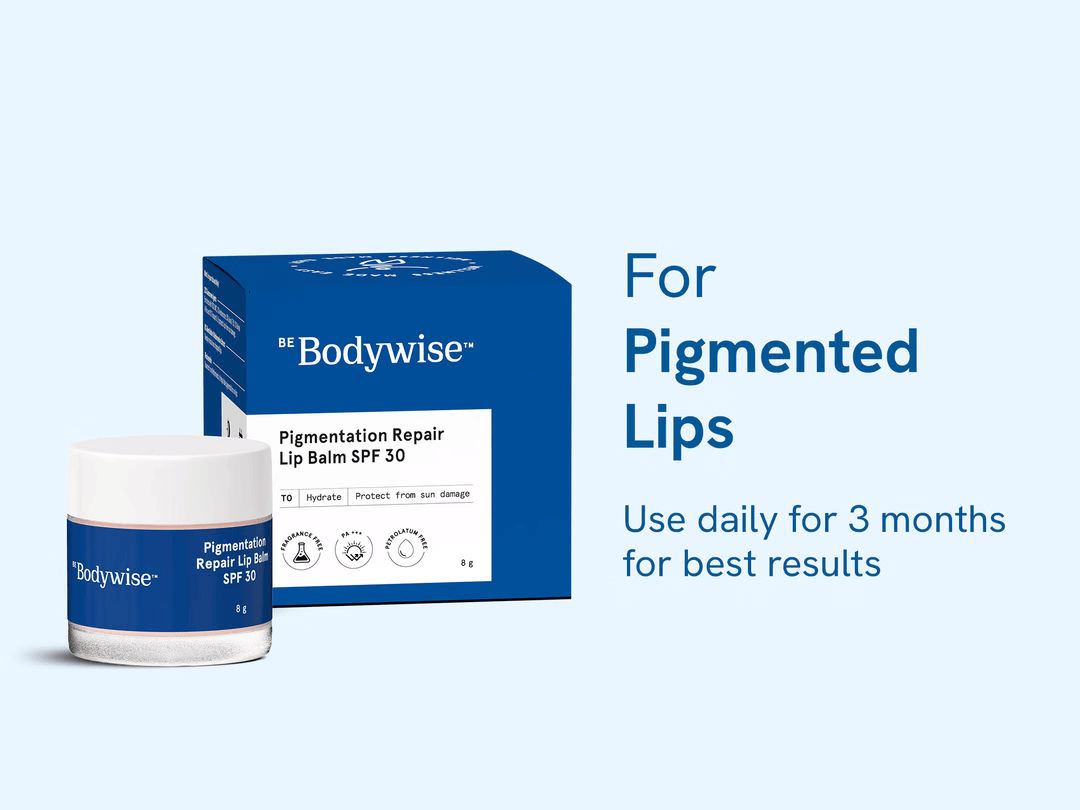
Pigmentation Repair Lip Balm with SPF 30 | Be Bodywise
Shea & Cocoa butter powered hydrating all-in-one lip balm that reduces pigmentation with niacinamide and vitamin C power. SPF 30 PA +++ protects from further sun damage due to UVA & UVB rays.
▶Helps reduce lip pigmentation
▶Provides PA+++ Sun protection to shield from sun damage
▶Deeply heals & moisturizes dry, damaged, chapped lipsSoothes and softens lips
If the concern includes darkening or pigmentation, choose lip products with:
- SPF 30 or higher for sun protection.
- Repairing ingredients that restore barrier health.
- Hydrating oils and butters to reduce dryness-induced pigmentation.
These ingredient profiles naturally point toward high-quality, repair-based lip treatments commonly recommended for dry and pigmented lips.
Women who deal with persistent dryness or pigmentation often rely on targeted options such as the Be Bodywise Lip Treatment Balm for deep hydration or the Be Bodywise Pigmentation Repair Lip Balm with SPF 30 for sun protection and moisture repair. Both are designed with barrier-supportive, clinically aligned ingredients suitable for everyday use.
How to Use Lip Balm Effectively (Step-by-Step Guide)
- Clean and dry lips before application.
- Apply a thin layer of lip balm 2–3 times a day.
- Use SPF lip balm during the day for protection against sun-induced dryness and pigmentation.
- Use a repairing lip treatment at night for overnight healing.
- Avoid licking or biting lips to maintain barrier health.
FAQs
Q: Why do lips peel even after applying lip balm?
Because the barrier is damaged. Consistent use of humectant + occlusive balms is required to repair it.
Q: Do lips need SPF?
Yes. UV exposure quickly dries lip skin and causes pigmentation. SPF 30 is recommended.
Q: How long does it take to repair dry lips?
Most people notice improvement within 3–7 days with consistent hydration and barrier care.